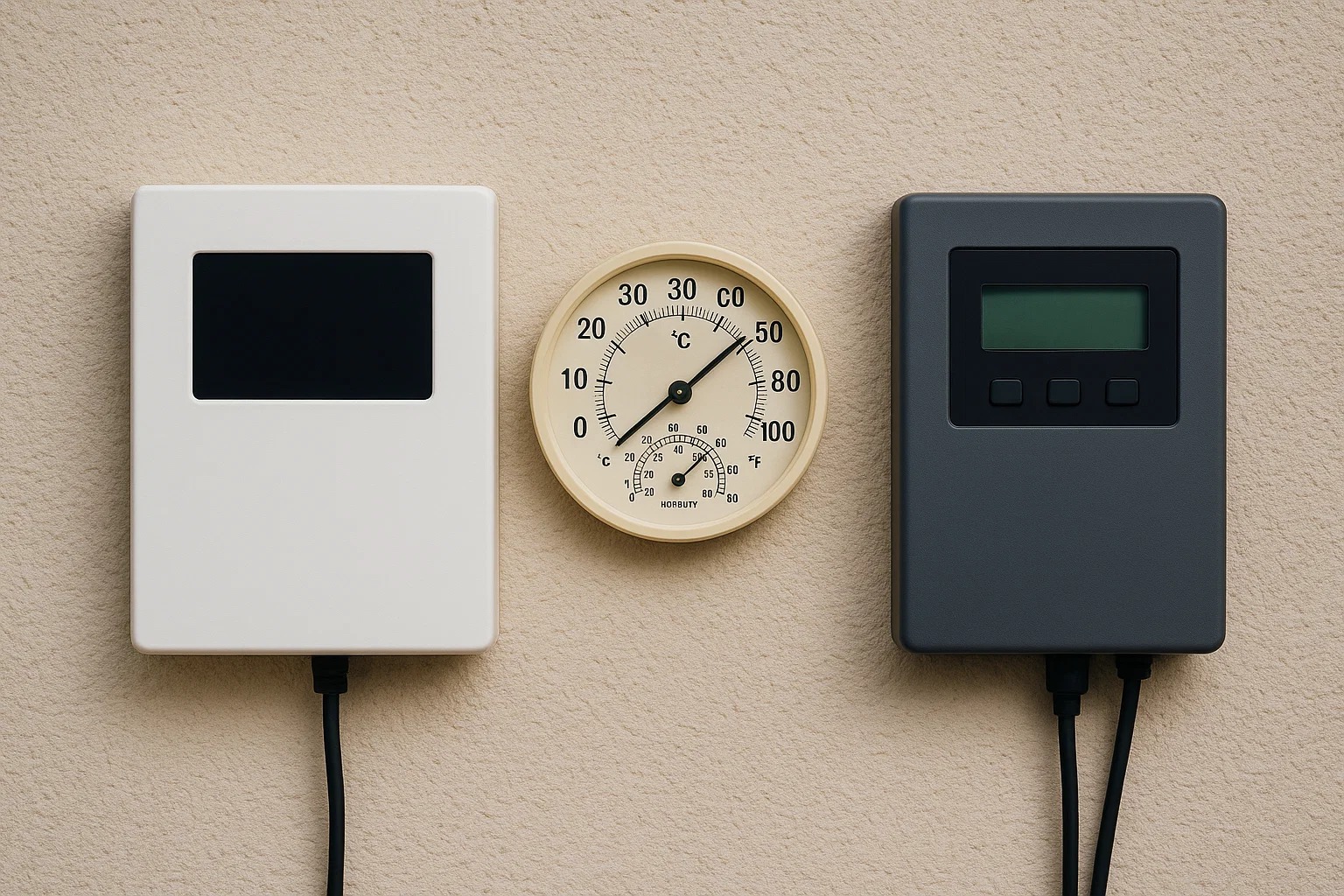
Inverter batteries form the core of dependable power backup systems at homes, offices, and business premises. The most unnoticed thing which impacts the performance of the invetter battery is temperature. Whether it’s scorching heat in summer or frosty cold in winter, inverter batteries react differently to different temperatures. At Extron, we feel that the understanding of this connection is essential in making your Extron inverter battery last longer and perform optimally.
The Temperature Factor in Battery Performance
All Extron inverter batteries use chemical reactions. These reactions respond to temperatures, that is, they are affected both by hot and cold temperatures. It is ideal that most inverter batteries function optimally at temperatures of 25°C to 30°C. Anything outside this temperature range can lower their capacity as well as lifespan.
Hot Temperatures: Increased Reactions, Shorter Lifespan
While subjected to heat, an Extron inverter battery will deplete quicker as chemical activity within the battery becomes faster. Although this can mean higher short-term power output, it also leads to:
- Unhealthy water loss in lead-acid batteries.
- Heat issues that harm internal plates.
- Reduced battery life due to ongoing stress.
Low Temperatures: Reduced Reactions Can Result in Lower Capacity
The reverse is with low temperatures. The reduction in temperature results in fewer chemical reactions within the Extron inverter battery, resulting in:
- Reduced power supply during heavy loads.
- Slow charging cycles, as the battery takes more time to achieve full capacity.
- Temporary loss of capacity, particularly where winters are harsh.
This implies that your inverter battery cannot provide the anticipated backup duration in the times of urgency with extended power outages.
Maintaining Best Temperature for Efficiency
In order to keep your Extron inverter battery operating efficiently without the regards to climate, the following practical tips from Extron are advised:
- Appropriate Installation – Battery must be stored in a shaded and well-ventilated location to prevent direct exposure to heat.
- Routine Maintenance – Keep a check on water levels especially in leas acid batteries regularly.
- Never Overcharge – Overcharging generates unwanted heat, use the same type inverter and battery.
- Winter Insulation – During winter, ensure the battery place is insulated to provide optimal temperature.
Why Extron Inverter Battery is a good choice?
Our Extron inverter battery models at Extron are crafted to withstand changing Indian climatic conditions to perform consistently, even when the temperature varies. Constructed with high-quality materials and superior design, they provide long-term backup, security, and efficiency.
Conclusion
The efficiency and lifespan of inveter battery is vividly influenced by the temperature of the surroundings. Knowing its effect and taking simple precautions, you can optimize the performance of your backup system. With an Extron inverter battery, you’re not only getting power—you’re getting reliability regardless of season.
Call to Action
Upgrade to an Extron inverter battery now and experience hassle-free power backup during every season.
Visit us now at https://extronbattery.in/ to get the best solution for your home or office!
FAQs
Q1. What’s the ideal temperature for an Extron inverter battery?
The ideal limit is 25°C to 30°C for high efficiency and long life.
Q2. Will high heat harm my Extron inverter battery?
Yes, long-term heat reduces lifespan and causes water evaporation in the battery.
Q3. Will cold weather impact Extron inverter battery backup time?
Yes, lesser chemical reactions at lower temperature, reduces the output power temporarily.
Q4. How to protect Extron inverter battery during extreme weather conditions?
Maximum performance is ensured through right positioning, air flow, and regular inspection.